Is fmovies Legal? Everything You Need to Know
Ready to explore fmovies?
Direct portal access to fmovies.
Streaming movies online has become the preferred way to watch entertainment, but not all platforms operate within legal boundaries. When users search for free streaming options, fmovies often appears in results, raising important questions about its legality and safety. Understanding the legal landscape surrounding unauthorized streaming sites helps you make informed decisions about your online viewing habits.
The legality of streaming platforms depends on multiple factors including copyright licensing, geographic location, and how content is distributed. This guide examines the legal status of fmovies, explains copyright laws affecting streaming sites, and explores what users should know before accessing such platforms.
The Legal Status of Fmovies Explained

Fmovies operates in a legal gray area that varies significantly by jurisdiction. The platform provides access to copyrighted content without proper licensing agreements from content owners. In most countries, hosting and distributing copyrighted material without authorization violates intellectual property laws.
The site has faced numerous domain seizures and legal challenges over the years. Authorities in various countries have blocked access to fmovies domains, forcing the platform to frequently change its web address. This pattern of domain switching is a clear indicator that the service operates outside legitimate legal frameworks.
How Copyright Law Applies to Streaming Sites
Copyright law grants content creators exclusive rights to distribute their work. When a streaming platform offers movies and TV shows without licensing agreements, it infringes on these protected rights. Studios, production companies, and distributors invest millions in creating content, and unauthorized distribution undermines their ability to recoup investments.
International copyright treaties like the Berne Convention establish baseline protections across member countries. These agreements make copyright infringement illegal in most jurisdictions, regardless of where a streaming site's servers are located. Platforms that ignore these laws face legal action, domain seizures, and criminal prosecution.
Is Watching Content on Fmovies Illegal for Users
The legal risk for users varies considerably depending on where they live. In many countries, downloading copyrighted content is explicitly illegal, but streaming sits in murkier legal territory. Some jurisdictions distinguish between downloading files and temporarily streaming them, while others treat both actions as copyright infringement.
In the United States, streaming copyrighted content without permission technically violates copyright law, though enforcement against individual viewers remains rare. Authorities typically focus on operators and distributors rather than end users. However, this doesn't eliminate legal risk entirely, and users should understand their local laws.
Regional Differences in Streaming Laws
European Union member states have strengthened enforcement against unauthorized streaming. Several countries now impose fines on individuals who knowingly access pirated content. Germany, for instance, has pursued legal action against users of illegal streaming sites, resulting in substantial penalties.
Asian countries show varied approaches to streaming enforcement. Japan implemented strict copyright laws that penalize both downloading and streaming unauthorized content. Meanwhile, enforcement in some Southeast Asian countries remains less aggressive, though legal frameworks technically prohibit such activity.
Risks Beyond Legal Consequences
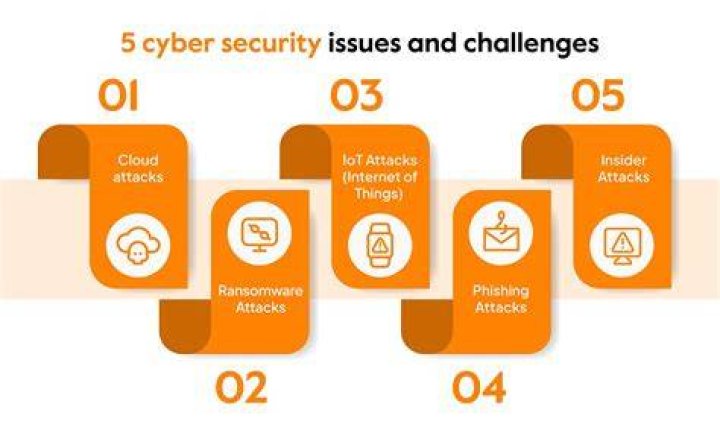
Using unauthorized streaming sites exposes users to security threats that extend beyond legal concerns. These platforms often host malicious advertisements, redirect users to phishing sites, and distribute malware. Without legitimate oversight, nothing prevents bad actors from exploiting these sites to compromise user devices.
Many free streaming sites generate revenue through aggressive advertising networks that don't vet their advertisers. This creates opportunities for malvertising campaigns that infect computers with ransomware, spyware, and cryptominers. A single click on a deceptive ad can compromise personal data or system security.
Privacy Concerns with Unauthorized Platforms
Unauthorized streaming sites rarely implement robust privacy protections. They may track browsing behavior, collect personal information, and sell user data to third parties. Unlike legitimate platforms with clear privacy policies and regulatory compliance, these sites operate without accountability.
Your internet service provider can see when you access unauthorized streaming sites. Some ISPs issue warnings to customers who repeatedly visit such platforms, and in extreme cases, they may throttle connection speeds or report activity to authorities. This creates a permanent record of your streaming habits.
How Content Licensing Works for Legitimate Services
Legal streaming platforms negotiate licensing agreements with content owners before offering movies and shows. These agreements specify geographic regions, duration of availability, and compensation models. Netflix, Disney Plus, and similar services pay substantial fees to secure streaming rights.
The complexity of licensing explains why content libraries differ across countries and why shows occasionally disappear from platforms. Rights holders control where and how their content appears, making global licensing expensive and logistically challenging. Legitimate platforms respect these agreements to maintain legal operations.
Why Legal Services Cost Money
Subscription fees cover more than just content licensing. Legal platforms invest in streaming infrastructure, content recommendations, multiple device support, and customer service. They also contribute to content creation through original programming that employs thousands of industry professionals.
When users choose unauthorized platforms, they divert revenue from creators and legitimate distributors. This impacts the entertainment industry's ability to fund new projects, pay fair wages, and maintain quality standards. The financial ecosystem of entertainment depends on viewers paying for the content they consume.
Legal Alternatives to Fmovies
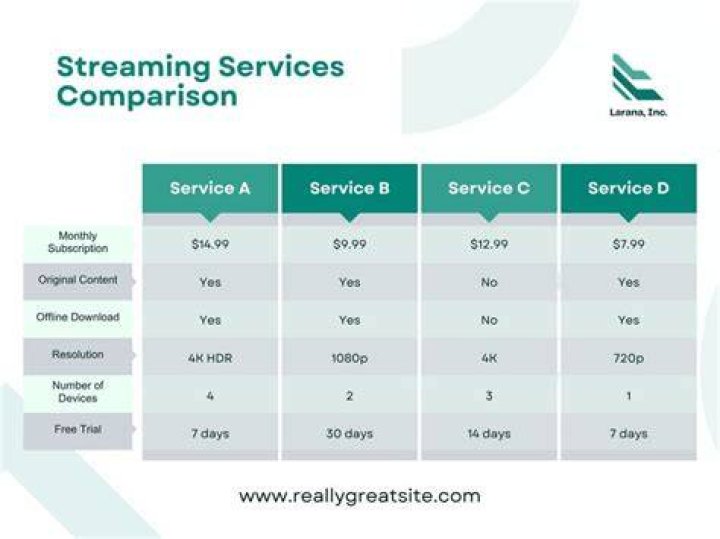
Numerous affordable legal alternatives provide extensive content libraries without legal or security risks. Major subscription services offer different specializations, from Netflix's original series to Disney Plus's family content and HBO Max's prestige programming. Many platforms offer free trials that let you explore content before committing.
Ad-supported streaming services provide completely free legal access to movies and shows. Platforms like Tubi, Pluto TV, and Crackle monetize through advertising rather than subscriptions. While these services show commercials, they operate within legal frameworks and offer safe viewing experiences.
Budget-Friendly Streaming Options
Several strategies make legal streaming more affordable. Rotating subscriptions allows you to subscribe to one service monthly, watch desired content, then switch to another platform. This approach reduces costs while maintaining legal access to diverse content.
Library cards often provide free access to streaming services like Kanopy and Hoopla, which offer thousands of movies without subscription fees. Public libraries negotiate licenses that let cardholders stream content legally at no cost. This underutilized resource provides legitimate free entertainment.
What Happens When Authorities Shut Down Streaming Sites
Law enforcement agencies and copyright holders continuously pursue legal action against unauthorized streaming platforms. When authorities seize domains, they typically redirect visitors to warning pages explaining the legal consequences of piracy. These operations sometimes lead to criminal prosecutions of site operators.
The Alliance for Creativity and Entertainment, representing major studios, has successfully taken down numerous streaming sites. Their investigations trace financial transactions, identify operators, and coordinate with international law enforcement. Recent cases resulted in arrests and significant prison sentences for those running large-scale piracy operations.
The Cat-and-Mouse Game of Domain Changes
Unauthorized sites frequently change domains to evade shutdowns, creating confusion for users and temporary service disruptions. Each domain change represents an attempt to stay ahead of enforcement actions. This instability means users never know when their preferred streaming site might disappear permanently or temporarily.
Some sites use mirror domains and proxy services to maintain availability across different regions. This decentralized approach makes enforcement more difficult but doesn't eliminate legal risks for operators or users. The constant domain shuffling itself indicates ongoing legal pressure against these platforms.
Protecting Yourself Online
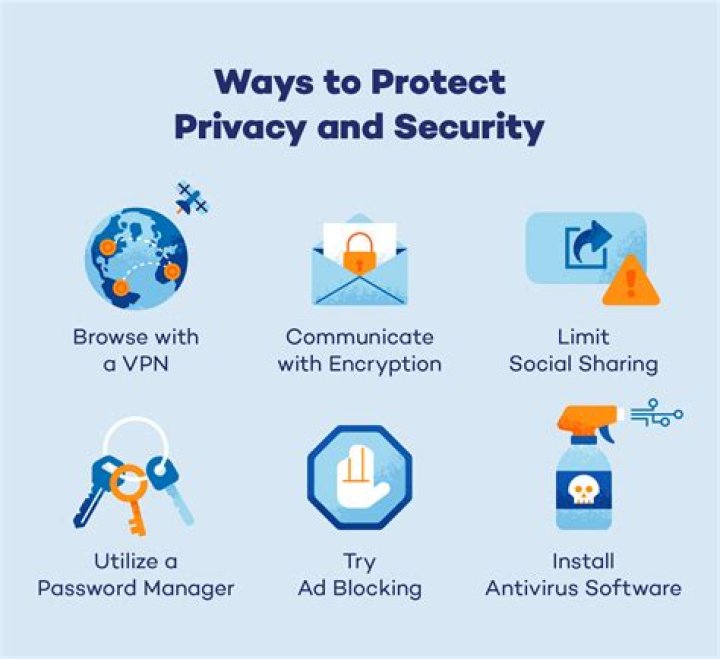
Whether you choose legal or unauthorized streaming, online safety practices remain essential. Using reputable antivirus software, keeping browsers updated, and avoiding suspicious links protects against malware. However, the safest approach is avoiding unauthorized streaming sites entirely.
Virtual private networks can mask your IP address, but they don't make illegal activity legal. VPNs provide privacy benefits for legitimate purposes, yet they don't eliminate copyright infringement when streaming unauthorized content. Some countries have banned or restricted VPN usage specifically to prevent circumventing content restrictions.
The Ethics of Unauthorized Streaming
Beyond legality, unauthorized streaming raises ethical questions about compensating creators for their work. Writers, actors, directors, and crew members depend on revenue from legitimate distribution channels. When viewers access content without payment, it reduces funding available for future productions.
Independent filmmakers and smaller studios suffer disproportionately from piracy. Unlike major studios with diversified revenue streams, independent creators rely heavily on direct sales and legitimate streaming revenue. Unauthorized distribution can devastate small production companies and discourage investment in original content.
Supporting the Entertainment Industry
Choosing legal streaming services directly supports content creation and industry employment. Every subscription and rental contributes to a system that funds new productions, maintains technical infrastructure, and pays industry professionals. This economic model sustains the entertainment ecosystem.
Theatrical releases, premium video on demand, and streaming subscriptions represent different revenue windows that maximize returns for content creators. This tiered release strategy depends on viewers respecting exclusive distribution periods. Unauthorized streaming short-circuits this model and reduces overall revenue.
Future of Streaming Enforcement
Technology and legislation continue evolving to combat unauthorized streaming. Advanced content recognition systems help copyright holders identify and request removal of infringing material. Artificial intelligence accelerates this process, making enforcement more efficient and comprehensive.
Governments worldwide are strengthening anti-piracy legislation in response to streaming's growth. New laws impose harsher penalties on site operators and, in some cases, individual users. International cooperation between law enforcement agencies has improved, making it harder for unauthorized platforms to operate across borders.
Final Thoughts
The question of whether fmovies is legal has a clear answer in most jurisdictions: no, it operates outside legal frameworks by distributing copyrighted content without authorization. While enforcement against individual viewers varies by country, using such platforms carries legal risks, security threats, and ethical implications that extend beyond simple convenience.
Legal alternatives provide safe, reliable access to extensive content libraries while supporting the creators who produce entertainment we enjoy. Whether through affordable subscriptions, ad-supported services, or free library resources, legitimate options exist at every price point. Making informed choices about streaming protects both your legal standing and your digital security while ensuring the entertainment industry can continue creating quality content.
Explore More on Fmovies
Thank you for reading! For more comprehensive guides and site pages, return to the Fmovies Homepage .
