fmovies Not Working? Common Issues and Fixes

Ready to explore fmovies?
Direct portal access to fmovies.
Running into problems while trying to stream your favorite movies can be frustrating, especially when you're ready to watch something and the site refuses to cooperate. Whether you're facing blank screens, endless buffering, or complete inability to access the platform, these issues have common causes and straightforward solutions. Understanding what's causing the problem is the first step toward getting back to your entertainment.
Most streaming issues stem from browser conflicts, network problems, or temporary server disruptions. The good news is that you can resolve the majority of these problems yourself without needing technical expertise. This guide walks through the most frequent issues users encounter with fmovies and provides clear, actionable fixes that work.
Site Won't Load or Shows Connection Errors
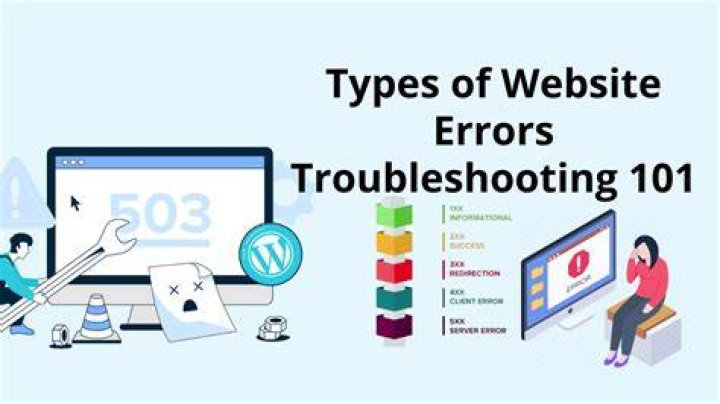
When the platform refuses to load entirely, the issue usually lies with your connection or DNS settings. Start by checking if other websites load normally on your device. If they do, the problem is specific to the streaming site rather than your general internet connection.
Your DNS cache might be storing outdated information that prevents proper site access. Flushing this cache forces your system to retrieve fresh data. On Windows, open Command Prompt and type "ipconfig /flushdns" without quotes. Mac users should open Terminal and enter "sudo dscacheutil -flushcache" followed by your password. This simple step resolves many loading issues instantly.
Check Your Internet Connection Stability
Weak or unstable connections cause timeouts and failed page loads. Run a speed test to verify your connection meets minimum streaming requirements. You need at least 5 Mbps for standard definition and 25 Mbps for high definition content. If your speed falls short, restart your router by unplugging it for 30 seconds before reconnecting.
Try Alternative DNS Servers
Your ISP's default DNS servers might be slow or blocking access. Switching to public DNS servers like Google DNS (8.8.8.8 and 8.8.4.4) or Cloudflare DNS (1.1.1.1) often resolves loading problems. Change these settings in your network adapter properties or router configuration page.
Videos Won't Play or Keep Buffering
Playback issues frustrate users more than any other problem. When videos refuse to start or constantly pause to buffer, several factors could be responsible. Browser extensions, outdated software, or server congestion typically cause these interruptions.
Browser extensions that block ads or scripts sometimes interfere with video players. While these tools serve important purposes, they can prevent legitimate streaming functions from working correctly. Temporarily disable all extensions to test if this resolves the playback issue. You can re-enable them one by one to identify the problematic extension.
Clear Browser Cache and Cookies
Accumulated cache files and cookies create conflicts with streaming platforms. Your browser stores this data to speed up loading times, but corrupted files cause more harm than good. Access your browser settings and clear all cached data and cookies from the past month. This forces the site to load fresh resources.
Update Your Browser to Latest Version
Outdated browsers lack support for modern streaming technologies and security protocols. Check if updates are available for your browser and install them immediately. Chrome, Firefox, and Edge all provide automatic updates, but manual checks ensure you're running the current version with all necessary patches.
Blank Screen or Black Screen During Playback

A blank or black screen with audio playing indicates a rendering problem rather than a connectivity issue. This occurs when your browser can't properly display video content due to hardware acceleration conflicts or outdated graphics drivers.
Hardware acceleration uses your GPU to render videos more efficiently, but sometimes this feature causes compatibility problems. Disable it in your browser settings under the advanced or system section. Look for an option labeled "Use hardware acceleration when available" and toggle it off, then restart your browser.
Check Graphics Driver Updates
Outdated graphics drivers prevent proper video rendering across all streaming platforms. Visit your graphics card manufacturer's website (NVIDIA, AMD, or Intel) and download the latest drivers for your specific model. Installing current drivers resolves many visual playback issues.
Test Different Browsers
Browser-specific bugs occasionally cause display problems that don't affect other applications. Install an alternative browser and test if videos play correctly there. This helps isolate whether the problem stems from your primary browser or a system-wide issue.
Audio Issues or No Sound
When video plays perfectly but audio is missing or distorted, the problem usually relates to system sound settings or browser permissions. Modern browsers require explicit permission to play audio on websites, and these permissions sometimes reset unexpectedly.
Check your browser's site settings to verify audio permissions are enabled for the streaming platform. Click the lock icon in your address bar and review media permissions. Ensure sound isn't muted specifically for this site. Also verify your system volume isn't muted or set extremely low.
Disable Audio Enhancements
Windows audio enhancements sometimes interfere with browser audio playback. Right-click your speaker icon in the system tray, select "Sounds," navigate to the Playback tab, choose your default device, click Properties, and disable all enhancements under the Enhancements tab.
Pop-ups and Redirects Interrupting Streaming
Excessive pop-ups and automatic redirects disrupt viewing experiences and pose security risks. While some pop-ups come from the site itself, others originate from adware or unwanted browser extensions that hijack your browsing sessions.
Install a reputable ad blocker extension like uBlock Origin to minimize intrusive pop-ups without completely breaking site functionality. Configure it to allow necessary scripts while blocking aggressive advertising elements. This balanced approach maintains usability while reducing interruptions.
Scan for Malware and Adware
Persistent pop-ups that appear even with ad blockers enabled suggest adware infection. Run a full system scan using Windows Defender or a trusted third-party antivirus program. Additionally, use specialized tools like Malwarebytes to detect and remove browser hijackers that traditional antivirus software might miss.
Mobile App or Mobile Browser Issues

Mobile devices present unique challenges due to varied operating systems, screen sizes, and network conditions. Problems that don't occur on desktop often appear when streaming on phones or tablets.
Mobile browsers handle streaming differently than desktop versions. Switch between regular and desktop site modes to see if rendering improves. On Android, clear your browser app's cache through Settings > Apps > Your Browser > Storage. iOS users should clear Safari history and website data from Settings > Safari.
Check Data Saver and Battery Optimization Settings
Data saver modes and aggressive battery optimization can throttle streaming performance. Disable these features temporarily while streaming to ensure full bandwidth availability. Android users should check Battery Optimization settings and exempt their browser. iPhone users can disable Low Power Mode from the battery settings.
Error Messages and Server Unavailability
Specific error codes or server unavailable messages indicate problems beyond your control. These issues stem from the platform's backend infrastructure rather than your device or connection. Server maintenance, high traffic volumes, or technical difficulties cause temporary outages.
When fmovies displays server errors, wait 15-30 minutes before trying again. Streaming platforms often experience brief disruptions during peak hours or scheduled maintenance windows. Check social media or community forums to see if other users report similar problems, confirming the issue affects everyone.
Try Different Video Servers
Most streaming platforms offer multiple server options for each video. If one server fails to load, switching to an alternative server usually resolves the problem. Look for server selection options near the video player and test different choices until you find one that works reliably.
VPN and Proxy Connection Problems
Virtual private networks and proxy services sometimes conflict with streaming platforms. While these tools provide privacy benefits, they can slow connections or trigger security blocks that prevent access. Geographic restrictions and anti-VPN measures cause many VPN-related streaming issues.
If you use a VPN, try connecting to different server locations. Some regions work better with specific streaming platforms. Alternatively, disconnect your VPN temporarily to determine if it's causing the problem. For users in regions where VPNs are necessary, premium services with dedicated streaming servers provide more reliable access.
Browser Compatibility and JavaScript Requirements
Streaming platforms rely heavily on JavaScript to deliver content and interactive features. Browsers with JavaScript disabled or restricted can't load video players properly. Security-conscious users sometimes disable JavaScript, unknowingly breaking streaming functionality.
Verify JavaScript is enabled in your browser settings. Chrome users should check chrome://settings/content/javascript, while Firefox users navigate to about:config and search for javascript.enabled. If using script-blocking extensions, whitelist the streaming domain to allow necessary scripts while maintaining general protection.
Slow Loading Times and Performance Issues
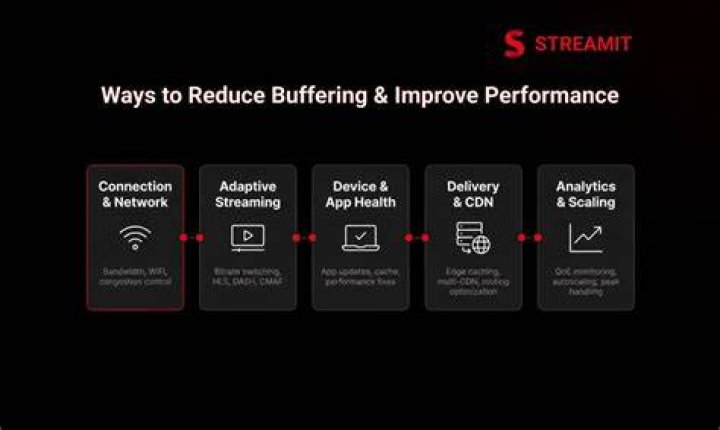
Sluggish page loading and poor responsiveness indicate either local performance problems or bandwidth constraints. Multiple factors contribute to slow streaming experiences, from background applications consuming resources to network congestion during peak hours.
Close unnecessary tabs and applications to free up system resources. Streaming requires significant memory and processing power, especially for high-definition content. Task Manager on Windows or Activity Monitor on Mac shows which programs consume the most resources. End processes you don't need to improve streaming performance.
Optimize Video Quality Settings
Streaming at maximum quality requires substantial bandwidth that your connection might not support consistently. Manually select a lower resolution in the video player settings to reduce buffering. Starting at 480p or 720p ensures smooth playback while determining your connection's capabilities.
Final Thoughts
Most streaming problems have simple solutions once you identify the root cause. Start with basic troubleshooting steps like clearing cache, checking connections, and updating software before moving to advanced fixes. The techniques outlined here resolve the vast majority of issues users encounter with fmovies and similar streaming platforms.
Keep your browser and system updated, maintain a stable internet connection, and use reliable security tools without overly restrictive settings. When technical issues arise, systematic troubleshooting saves time and frustration, getting you back to streaming quickly.
Explore More on Fmovies
Thank you for reading! For more comprehensive guides and site pages, return to the Fmovies Homepage .
