fmovies vs Netflix: Feature and Content Comparison
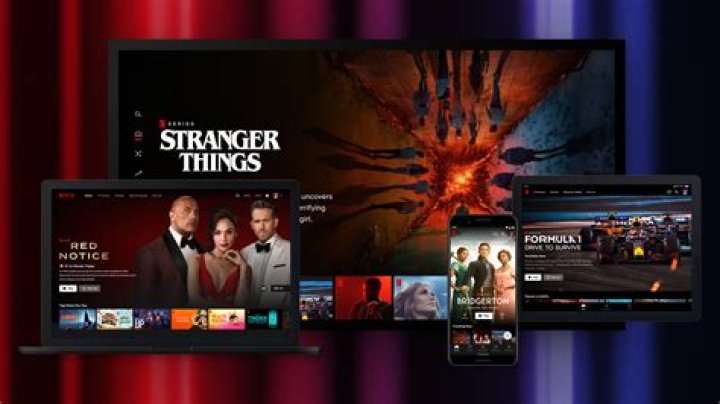
Ready to explore fmovies?
Direct portal access to fmovies.
Choosing between streaming platforms can feel overwhelming when you're trying to find the best fit for your viewing habits. The entertainment landscape has evolved dramatically, with viewers now having multiple options to access movies and TV shows. Understanding the differences between platforms like fmovies and Netflix helps you make informed decisions about where to spend your time and which service aligns with your priorities. This comparison breaks down the key features, content offerings, and user experience elements that distinguish these two platforms.
Both services cater to audiences seeking on-demand entertainment, yet they approach content delivery and user engagement differently. While one operates as a subscription-based mainstream service with original productions, the other provides alternative access to a vast library of titles. Let's examine how these platforms stack up across various dimensions that matter most to viewers.
Content Library Size and Variety
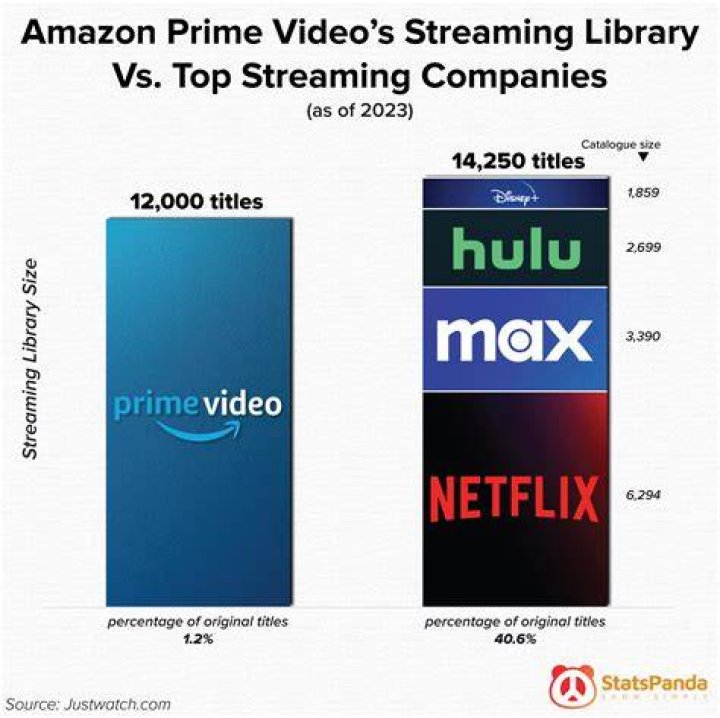
The breadth of available content represents one of the most significant factors when evaluating streaming platforms. Netflix maintains a curated library that varies by region, typically offering several thousand titles at any given time. The platform invests billions in original content production, creating exclusive series, films, and documentaries that aren't available elsewhere. This approach gives Netflix control over its content pipeline but also means the library rotates as licensing agreements expire.
In contrast, fmovies aggregates content from various sources, resulting in an extensive catalog that often includes recently released theatrical films and international titles. The platform doesn't produce original content but compensates with sheer volume and diversity. Users frequently find obscure films, classic cinema, and international productions that mainstream services don't carry. This makes it particularly valuable for cinephiles seeking hard-to-find titles or viewers interested in exploring global cinema without geographic restrictions.
Genre Coverage and Niche Content
Netflix organizes content into well-defined categories with sophisticated algorithms that create micro-genres based on viewing patterns. You'll find everything from mainstream blockbusters to documentary series, stand-up specials, and anime. However, the platform's curation means certain niche genres receive limited representation, particularly older films or titles from smaller production companies.
The fmovies approach to genre coverage tends to be more comprehensive for viewers seeking specific types of content. Horror enthusiasts, foreign film fans, and those interested in classic cinema often discover more extensive selections. The platform doesn't limit content based on licensing costs or regional availability in the same way subscription services do, which translates to broader representation across genres and time periods.
Streaming Quality and Technical Performance
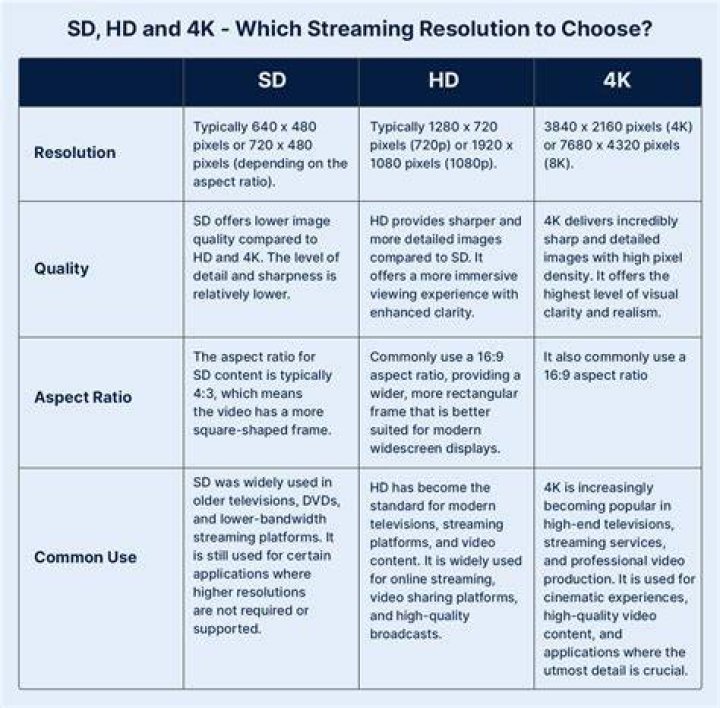
Netflix has built its reputation partly on delivering consistent streaming quality with adaptive bitrate technology. The platform offers content in multiple resolutions, including 4K Ultra HD and HDR for premium subscribers. Their encoding infrastructure ensures smooth playback across devices with minimal buffering, provided you have adequate internet bandwidth. Netflix also allows you to adjust video quality settings manually if you want to conserve data or prioritize speed over resolution.
Video quality on fmovies varies depending on the source and specific stream selected. The platform typically offers multiple quality options for each title, ranging from standard definition to high definition. While top-quality streams can match or approach Netflix's clarity, consistency differs because content comes from various sources. Users with slower internet connections might appreciate having more control over quality selection, though this requires more manual adjustment than Netflix's automatic optimization.
Playback Features and Controls
Netflix provides robust playback controls including subtitle customization, multiple audio tracks, skip intro buttons, and the ability to adjust playback speed. The platform remembers your position across devices, making it seamless to start watching on your TV and continue on your phone. Profiles allow different household members to maintain separate watch histories and recommendations.
Playback functionality on fmovies centers on simplicity and direct access. The interface typically includes basic controls for pause, volume, and fullscreen, with subtitle options available for many titles. The experience prioritizes straightforward viewing without the additional layers of personalization features that subscription platforms offer. This stripped-down approach appeals to users who prefer simple, no-frills access to content.
User Interface and Navigation Experience
Netflix invests heavily in user experience design, resulting in a polished interface that works consistently across smart TVs, streaming devices, computers, and mobile platforms. The homepage features algorithmic recommendations based on viewing history, with content organized into scrollable rows by genre, theme, and popularity. Search functionality includes filters for genre, release year, and content type, making it relatively easy to find specific titles or discover new content.
The fmovies interface prioritizes functional simplicity over sophisticated design. Navigation typically centers on search functionality and basic categorical organization. While this might seem less refined than Netflix's polished aesthetic, it offers advantages in terms of speed and directness. Users who know what they want to watch can find it quickly without navigating through multiple recommendation layers. The learning curve is minimal, making the platform accessible even for less tech-savvy viewers.
Accessibility and Device Compatibility
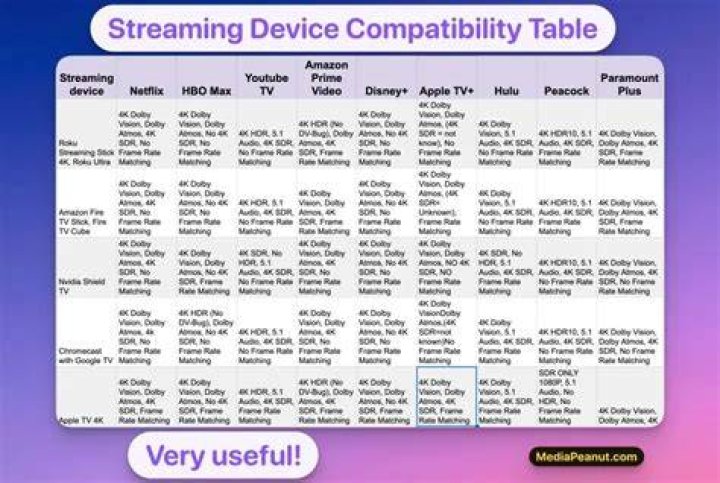
Netflix supports an impressive range of devices through dedicated apps optimized for each platform. You can watch on smart TVs from virtually every manufacturer, streaming sticks, game consoles, smartphones, tablets, and computers. The service works seamlessly across devices with synchronized viewing progress and universal account access. Netflix also offers offline downloading on mobile devices, letting you watch content without internet connectivity.
Access to fmovies typically happens through web browsers, making it compatible with any device that can run a modern browser. This includes computers, smartphones, tablets, and smart TVs with browser functionality. While this approach doesn't offer the same optimized app experience, it provides flexibility across platforms without requiring specific software installation. The browser-based model means you can access content from virtually anywhere with internet connectivity.
Regional Availability and Access
Netflix operates in over 190 countries with region-specific content libraries determined by licensing agreements. A title available in one country might not appear in another, which can frustrate travelers or users seeking specific content. The platform enforces geographic restrictions through IP detection, though the service remains legally accessible wherever Netflix officially operates.
Geographic accessibility represents a different consideration with fmovies. The platform doesn't impose the same regional restrictions on content availability, meaning users typically see the same library regardless of location. This can be particularly valuable for expatriates wanting to watch content from their home countries or viewers interested in international films that haven't received distribution in their region.
Cost Structure and Value Proposition
Netflix operates on a tiered subscription model with pricing based on video quality and the number of simultaneous streams allowed. Plans range from basic single-stream standard definition to premium plans supporting 4K and multiple simultaneous viewers. The monthly fee grants unlimited access to the entire library, with no additional charges per title. This predictable cost structure appeals to users who watch regularly and want budget certainty.
The cost consideration for fmovies differs fundamentally as the platform operates without subscription fees. This free-access model removes financial barriers to entertainment, making it attractive for budget-conscious viewers or those who watch content infrequently enough that subscription costs feel unjustified. However, users should weigh this against other considerations like ad presence and the legal landscape in their jurisdiction.
Original Content and Exclusive Productions
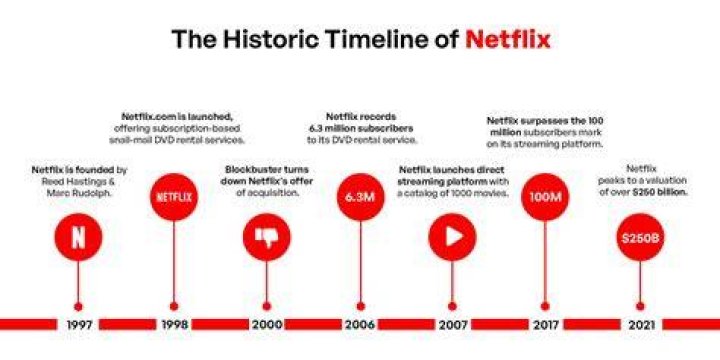
Netflix's strategy centers heavily on original programming, producing acclaimed series like Stranger Things, The Crown, and Squid Game alongside original films that compete at major awards ceremonies. This exclusive content serves as a major differentiator and driver of subscriptions. The platform releases new original titles weekly, creating ongoing reasons for subscribers to maintain their memberships. These productions often set cultural conversations and achieve mainstream recognition.
Platforms like fmovies don't produce original content, instead focusing on aggregating existing titles from studios and distributors. While this means you won't find platform-exclusive shows, it also means the focus remains on providing access to the broader universe of cinema and television. For viewers primarily interested in watching established films and series rather than following new original productions, this distinction may matter less than library comprehensiveness.
Content Discovery and Recommendation Systems
Netflix employs sophisticated machine learning algorithms to analyze viewing patterns and generate personalized recommendations. The system considers factors like watch history, time spent on titles, ratings, and even when you pause or rewind content. This creates increasingly accurate suggestions tailored to individual preferences. The "Top 10" feature also highlights currently popular content, helping users discover trending titles.
Content discovery on fmovies typically relies more on user initiative through search and categorical browsing. Without algorithmic recommendations, viewers have more direct control over what they watch but may need to invest more effort in finding new content. This approach suits viewers who already know what they want or enjoy the process of manual exploration. Featured or trending sections help surface popular titles without the personalization layer that subscription services provide.
Subtitle and Language Options
Netflix provides extensive subtitle and dubbing options for much of its content, particularly original productions. Many titles include subtitles in dozens of languages, and popular series often receive professional dubbing. This makes content accessible to international audiences and viewers with hearing impairments. The platform allows you to customize subtitle appearance, including font size and background opacity.
Subtitle availability on fmovies varies by title and source. Many films include multiple subtitle options, particularly for popular titles, though the consistency and quality may differ from professional streaming services. The platform typically supports standard subtitle formats that users can toggle on and off. For international content, you'll often find English subtitles, making foreign films accessible to English-speaking audiences.
Advertising and Viewing Interruptions
Traditional Netflix subscription plans have operated ad-free, providing uninterrupted viewing experiences. The company recently introduced a lower-cost ad-supported tier that includes commercial breaks, giving users a choice between paying more for ad-free content or accepting advertisements for reduced subscription fees. Even the ad-supported tier limits commercial frequency compared to traditional television.
The free-access model of fmovies typically includes advertising to support operations. Ad frequency and format vary, with some streams containing more interruptions than others. Users should expect periodic commercial breaks or pop-up advertisements as part of the viewing experience. This trade-off between cost and convenience represents a fundamental consideration when choosing platforms.
Final Thoughts
Deciding between fmovies and Netflix ultimately depends on your priorities as a viewer. Netflix offers a polished, professional streaming experience with high-quality original content, sophisticated recommendations, and consistent technical performance. The subscription model provides predictable costs and legal clarity, making it the straightforward choice for many households. Its strength lies in curated quality, exclusive productions, and seamless multi-device experiences.
Meanwhile, fmovies appeals to viewers prioritizing library breadth, free access, and content diversity over premium features. The platform excels at providing hard-to-find titles and international content without geographic restrictions or subscription barriers. Your choice should reflect what matters most in your viewing experience: whether that's exclusive original programming and premium features, or maximizing content variety and eliminating subscription costs. Both platforms serve legitimate needs within the streaming ecosystem, and understanding their distinct characteristics helps you align your choice with your entertainment preferences.
Explore More on Fmovies
Thank you for reading! For more comprehensive guides and site pages, return to the Fmovies Homepage .
