How to Use fmovies Safely: Security and Privacy Guide
Ready to explore fmovies?
Direct portal access to fmovies.
Streaming movies online has become a daily habit for millions, but not all platforms operate with the same security standards. Free streaming sites like fmovies attract users looking for convenient access to entertainment, yet they often come with hidden risks that can compromise your device, personal data, and online privacy. Understanding these vulnerabilities and taking proactive measures is essential before clicking play on your next movie.
This guide walks you through the specific security challenges associated with using fmovies and provides practical steps to protect yourself. Whether you're concerned about malware, tracking, or legal implications, you'll find actionable advice to stream more safely while minimizing exposure to common online threats.
Understanding the Security Risks of Free Streaming Sites
Free streaming platforms operate differently from subscription services. They typically generate revenue through aggressive advertising networks that may not always vet their partners thoroughly. These ad networks can serve malicious content designed to exploit vulnerabilities in your browser or operating system.
Pop-up windows, redirect chains, and fake download buttons are common tactics used to trick visitors into installing unwanted software. Some advertisements contain scripts that attempt to gather information about your device, browsing habits, or even inject cryptocurrency miners that use your computer's processing power without permission.
Malware and Unwanted Software Distribution
Malicious actors frequently target free streaming sites as distribution channels for malware. When you visit these platforms without proper protection, you expose yourself to trojans, ransomware, and spyware disguised as video players, codec updates, or system alerts.
These threats don't always announce themselves obviously. Modern malware can operate silently in the background, stealing passwords, monitoring your keystrokes, or using your device as part of a botnet. The infection often occurs through drive-by downloads that require no user interaction beyond visiting a compromised page.
Data Collection and Privacy Concerns
Free streaming sites collect extensive data about their visitors. This includes your IP address, browser fingerprint, viewing preferences, and interaction patterns. Third-party trackers embedded in these sites can follow you across the internet, building detailed profiles for targeted advertising or selling to data brokers.
Without encryption or proper privacy controls, your internet service provider can also monitor your streaming activity. This visibility creates potential legal risks depending on the content accessed and your jurisdiction's copyright enforcement policies.
Essential Security Tools Before Streaming
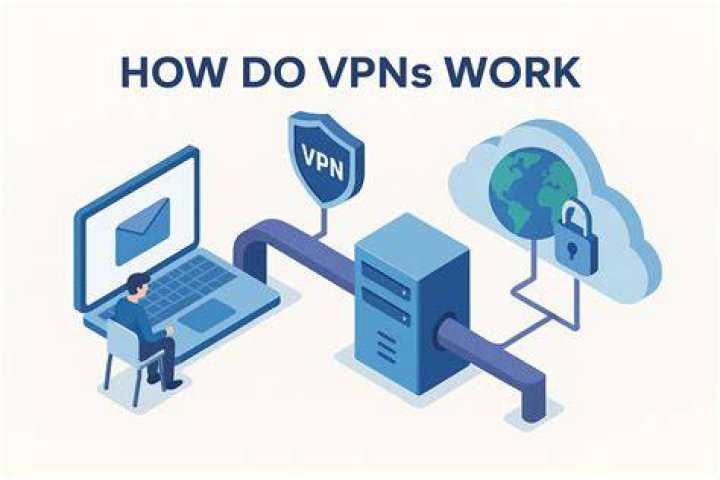
A virtual private network remains your first line of defense when accessing streaming sites. VPNs encrypt your internet traffic and mask your real IP address, making it difficult for third parties to track your online activity or identify your location. Choose a reputable VPN provider with a strict no-logs policy and strong encryption standards.
Quality VPN services route your connection through secure servers in different countries, adding a layer of anonymity to your browsing. This protection extends beyond just the streaming site itself, shielding all data transmitted between your device and the internet from potential interceptors.
Browser Configuration and Extensions
Your browser settings play a crucial role in maintaining security. Disable JavaScript selectively, as many malicious scripts rely on it to execute attacks. Use browser extensions specifically designed to block ads, prevent tracking, and filter malicious content before it reaches your device.
Extensions like uBlock Origin and Privacy Badger work together to create multiple defensive layers. Configure these tools to block third-party cookies, disable WebRTC leaks that can expose your real IP address even when using a VPN, and prevent canvas fingerprinting techniques used to identify your device.
Recognizing and Avoiding Malicious Elements
Streaming sites often bombard you with deceptive interface elements designed to generate clicks. Fake play buttons, misleading download prompts, and fraudulent system warnings attempt to trick you into interacting with malicious content. Learning to identify these elements protects you from inadvertent infections.
Legitimate video players on streaming sites rarely require additional software installations. Be immediately suspicious of any prompt asking you to download a "special player" or "missing codec" to watch content. These are almost always trojan horse attempts to install malware on your system.
Identifying Safe Click Zones
Multiple overlapping click zones represent a common tactic on free streaming sites. When you attempt to play a video, clicking anywhere except the exact correct spot triggers pop-ups or redirects. These deceptive layers can be frustrating and dangerous, as they often lead to phishing sites or malware distribution pages.
Take your time identifying the genuine play control. It's usually smaller and less prominently displayed than fake buttons. If clicking something immediately opens new windows or tabs, close them without interacting and try a different location on the player interface.
Device and Network Protection Strategies
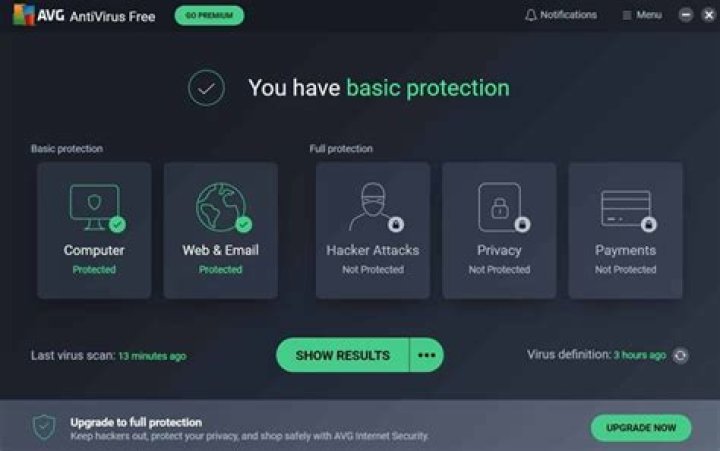
Maintain updated antivirus software with real-time protection enabled. Modern security suites can detect and block malicious scripts before they execute, providing an additional safety net beyond browser-based protections. Schedule regular full system scans to catch any threats that might have slipped through initial defenses.
Keep your operating system and all applications updated with the latest security patches. Cybercriminals actively exploit known vulnerabilities in outdated software, and streaming sites provide convenient attack vectors. Enable automatic updates where possible to ensure you're always protected against newly discovered threats.
Creating a Dedicated Streaming Environment
Consider using a separate browser profile or even a different browser exclusively for streaming activities. This isolation prevents potential compromises from affecting your primary browsing environment where you might access sensitive accounts like banking or email.
Some users take this further by setting up a virtual machine specifically for streaming. This sandboxed environment provides complete isolation, ensuring that any malware infection remains contained and cannot access your main operating system or personal files.
Privacy Protection Beyond Basic Security
Encryption protects your data in transit, but privacy requires additional considerations. Disable location services, camera, and microphone permissions for your browser when streaming. These sensors provide unnecessary information that sophisticated tracking systems can exploit to build more detailed profiles.
Clear your browser cache, cookies, and history regularly when using streaming sites. This practice removes tracking identifiers that follow you across sessions and helps prevent targeted attacks based on your browsing patterns. Use private or incognito browsing modes for an additional layer of session isolation.
DNS Security and Leak Prevention
Your DNS requests reveal which websites you visit, even when using a VPN. Configure your system to use encrypted DNS services like DNS-over-HTTPS or DNS-over-TLS. These protocols prevent your internet service provider and other network observers from monitoring your streaming activity through DNS queries.
Test your setup for DNS leaks regularly using dedicated testing websites. Even small configuration errors can expose your real DNS requests, undermining the privacy protection provided by your VPN. Most quality VPN clients include built-in leak protection, but verifying this functionality ensures complete coverage.
Legal Considerations and Risk Awareness
Copyright laws vary significantly by country, and enforcement practices change over time. While security tools protect your privacy, they don't eliminate legal risks associated with accessing copyrighted content without authorization. Understanding your jurisdiction's specific laws helps you make informed decisions about streaming activities.
Some countries actively monitor internet traffic for copyright infringement, issuing warnings or penalties to users accessing unauthorized streams. Even with privacy protections in place, consider the legal landscape in your region and weigh the potential consequences against the convenience of free streaming access.
Alternative Secure Streaming Practices
Reducing your reliance on potentially risky streaming sites improves overall security. Many legal alternatives offer free content with ad support, including services from major networks and studios. These legitimate platforms provide better security, reliable streaming quality, and no legal concerns.
When you do access fmovies, limit your sessions and avoid logging into any accounts or providing personal information. The less data you share with these platforms, the smaller your risk exposure becomes. Treat every interaction as potentially monitored and act accordingly.
Building a Balanced Streaming Strategy
Mix your streaming sources between legal free services, affordable subscriptions, and occasional use of sites like fmovies for content unavailable elsewhere. This approach minimizes your exposure to security risks while maintaining access to diverse entertainment options.
Evaluate the true cost of "free" streaming by considering the time spent dealing with security issues, potential malware infections, and privacy compromises. Sometimes the convenience and peace of mind from legitimate services justify their subscription fees.
Responding to Security Incidents
Despite precautions, security breaches can still occur. If you suspect malware infection after visiting a streaming site, disconnect from the internet immediately to prevent data exfiltration or lateral movement to other devices on your network. Run a full system scan with your antivirus software in safe mode for thorough detection.
Change passwords for all important accounts, especially if you accessed them on the compromised device. Monitor your financial accounts and credit reports for unusual activity that might indicate identity theft. Consider using identity monitoring services if you believe your personal information was exposed.
Learning from Security Events
Each incident provides valuable lessons about your security posture. Analyze what went wrong and which protections failed. Did you click a deceptive element? Was your antivirus software outdated? Use these insights to strengthen your defenses before returning to streaming activities.
Document the specific site, page, and actions that led to the security issue. This information helps you avoid similar situations and can be valuable when sharing warnings with others in your community who might use the same streaming platforms.
Final Thoughts
Using fmovies safely requires a multi-layered approach combining technical protections, cautious behavior, and realistic risk assessment. While no method provides absolute security, following these guidelines significantly reduces your exposure to the most common threats associated with free streaming sites. Your security posture should evolve as new threats emerge and as your technical comfort level increases.
Remember that convenience and security often require tradeoffs. The time invested in proper protection pays dividends through avoided infections, maintained privacy, and peace of mind. Stay informed about emerging threats, keep your defensive tools updated, and always question whether the content you're accessing is worth the potential risks involved.
Explore More on Fmovies
Thank you for reading! For more comprehensive guides and site pages, return to the Fmovies Homepage .
